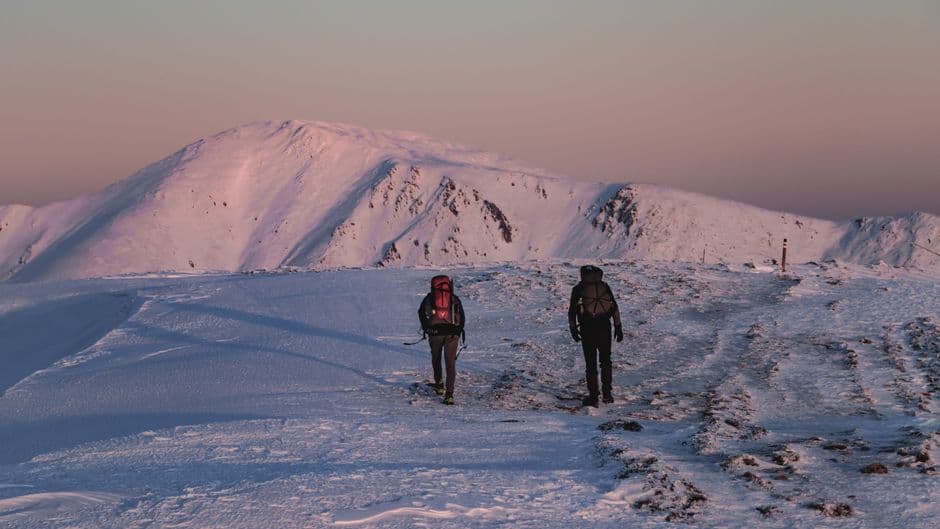
There’s nothing quite like the freedom of the open trail, the crunch of leaves underfoot, and the raw beauty of nature unfolding before you. Backpacking offers an unparalleled sense of adventure and self-discovery. But while solo trips have their merits, sharing the journey with a compatible backpacking partner can elevate the experience, offering companionship, shared memories, and an extra layer of safety.
Yet, finding that ideal travel partner for backpacking isn't always easy. It's more than just finding someone willing to walk alongside you; it's about finding someone who shares your pace, your interests, and even your approach to trail snacks. So, how do you find your perfect backpacking buddy? Let's explore some concrete strategies.
Why a Backpacking Partner Makes All the Difference
Before diving into the 'how,' let's quickly touch on the 'why.' A good backpacking partner can:
- Enhance Safety: Two pairs of eyes are better than one, especially in remote areas. Plus, in an emergency, you have immediate help.
- Boost Motivation: On tough climbs or long stretches, a supportive companion can be the push you need.
- Share Costs: Things like shared gear (tent, stove), ride-sharing to trailheads, or bulk food purchases can save money.
- Create Lasting Memories: Some of the best stories come from shared adventures and overcoming challenges together.
- Offer Camaraderie: Combat trail loneliness and enjoy engaging conversations under starry skies.
Where to Begin Your Search for a Backpacking Buddy
Finding a backpacking partner is a bit like dating — it takes effort, honesty, and a clear understanding of what you're looking for. Here’s where to start:
1. Tap into Your Existing Network
Sometimes the best connections are already right in front of you. Don't underestimate the power of your current circle.
- Friends & Family: Announce your backpacking plans on social media or during gatherings. You might discover a friend or cousin who's always wanted to try it, or knows someone who fits the bill.
- Colleagues & Acquaintances: Chat about your outdoor hobbies at work or casual meetups. You might find a like-minded individual lurking in unexpected places.
- Local Clubs & Groups: Join local hiking groups, outdoor clubs, or mountaineering associations. Many groups organize local day hikes or overnight trips, which are perfect for meeting potential long-term backpacking companions. Check community centers, outdoor gear stores, or online meetup platforms for these groups.
2. Explore Online Communities & Forums
The internet is a vast resource for connecting with fellow outdoor enthusiasts. These platforms are excellent for finding a travel partner for backpacking adventures.
- Reddit: Subreddits like r/backpacking, r/hiking, and especially r/travelpartners are goldmines. Post a detailed summary of your trip idea, your experience level, and what you're looking for in a partner.
- Facebook Groups: Search for groups dedicated to 'backpacking [your region/country],' 'women who hike,' or 'ultralight backpacking.' Be specific in your posts about your intentions and desired trip details.
- Specialized Forums: Websites dedicated to specific trails (e.g., Appalachian Trail, Pacific Crest Trail) often have forums where hikers look for partners or share advice.
3. Leverage Dedicated Travel Companion Platforms
This is where platforms like WanderBuddies truly shine. Instead of sifting through general posts, you're on a platform specifically designed to help you find a travel buddy or group with shared interests and goals.
"WanderBuddies streamlines the process of finding your ideal travel partner. With detailed profiles and advanced filters, you can connect with backpackers whose experience, pace, and destination preferences align perfectly with yours, making the search for your next backpacking buddy much more efficient and targeted."
On WanderBuddies, you can:
- Create a Detailed Profile: Outline your backpacking experience, preferred trail difficulty, typical pace, gear philosophy (ultralight vs. comfort), budget, and even your trail diet.
- Use Specific Filters: Search for individuals or groups based on destination, travel style, age range, gender preference, and importantly, activity type like 'backpacking' or 'trekking.'
- Connect with Like-Minded Individuals: Browse profiles of others actively looking for partners. You can send messages, discuss trip ideas, and get to know each other before committing.
- Join or Create Group Trips: If you prefer group dynamics, you can find existing backpacking trips or post your own and invite others to join.
What to Look For in a Backpacking Partner (The Vetting Process)
Once you've found potential partners, the real work begins: vetting. A good backpacking partner is about more than just shared interest in the outdoors; it's about compatibility.
1. Define Your Expectations Clearly
Before you even talk to anyone, know what you want. Are you looking for a casual companion for a weekend trip, or someone to tackle a multi-week thru-hike? What's your budget? Your preferred pace? Your comfort level with challenges?
2. Ask the Right Questions
In your initial conversations, be direct but friendly. Here are crucial topics to cover:
- Experience Level: Are they a seasoned thru-hiker or a beginner? If there’s a mismatch, are both of you comfortable adapting?
- Pace & Mileage: Do they prefer an easy 8 miles a day or a challenging 20? This is critical for trail harmony.
- Gear Philosophy: Ultralight or comfort-oriented? Sharing a tent might mean compromising on this.
- Budget & Food: Do they prefer cooking gourmet trail meals or living off ramen? Are they okay with splitting costs?
- Attitude & Personality: Are they positive under pressure? Do they complain a lot? This is harder to gauge but vital.
- Hygiene Habits: This might sound trivial, but mismatched hygiene can lead to significant friction on a long trip.
- Emergency Preparedness: Do they have basic first aid knowledge? Are they comfortable in adverse weather?
3. Start Small: The 'Trial Hike'
Don't commit to a two-week backcountry trip with someone you've only chatted with online. Arrange a video call first, then ideally, meet for a local day hike or an easy overnight trip. This 'trial run' will reveal more about their personality, pace, and trail etiquette than any amount of online discussion.
4. Discuss Contingency Plans
What if one of you gets sick or injured? What if you disagree on a route? How will you handle unexpected weather? Having these conversations upfront can prevent major issues on the trail.
Red Flags to Watch Out For
- Vagueness: If they're vague about their experience, gear, or expectations, proceed with caution.
- Pushiness: If they try to dictate plans without your input or pressure you into something you're uncomfortable with.
- Lack of Communication: Slow to respond, short answers, or not asking you questions in return.
- Massive Mismatches: Very different paces, budgets, or ideas of what makes a good trip. Don't try to force compatibility.
Finding a backpacking partner can take time and effort, but the rewards are immeasurable. With the right strategies and a bit of patience, you'll be hitting the trails with a compatible backpacking buddy, ready to make memories that last a lifetime. Happy trails!